

What is Studio Art?
What is Studio Art in College
When you hear the phrase “studio art,” you might think of painting or drawing — but it’s much more than that. Encompassing a wide range of creative practices, studio art is a hands-on field of study that encourages students to explore, experiment, and bring their artistic vision to life — from drawing and painting to digital design and sculpture. Unlike other career fields, studio art students spend much of their time making art and developing their creative voice. For those interested in turning their creativity into a college major, degree programs that incorporate studio art provide a practical pathway to explore talent, build skills, and prepare for careers in the arts or creative industries.
Defining Studio Art
Studio art teaches both foundational techniques and advanced artistic skills. Students begin by learning the basics — drawing, color theory, composition, and design principles — and gradually move into specialized mediums like digital illustration, ceramics, photography, and mixed media. Along the way, they develop strong problem-solving abilities, creativity, and the confidence to express ideas visually, which are valuable skills no matter what career path they choose.
Creativity and Exploration
Studio art covers a wide range of creative areas, allowing students to discover what they enjoy most. Some students gravitate toward traditional forms like painting, sculpture, or printmaking, while others pursue fast-growing digital fields like animation and graphic design. College programs often let students experiment with different media before choosing a concentration, helping them build a well-rounded portfolio and unique artistic style, and can also provide opportunities to blend traditional art skills with modern technology.
Skill Development
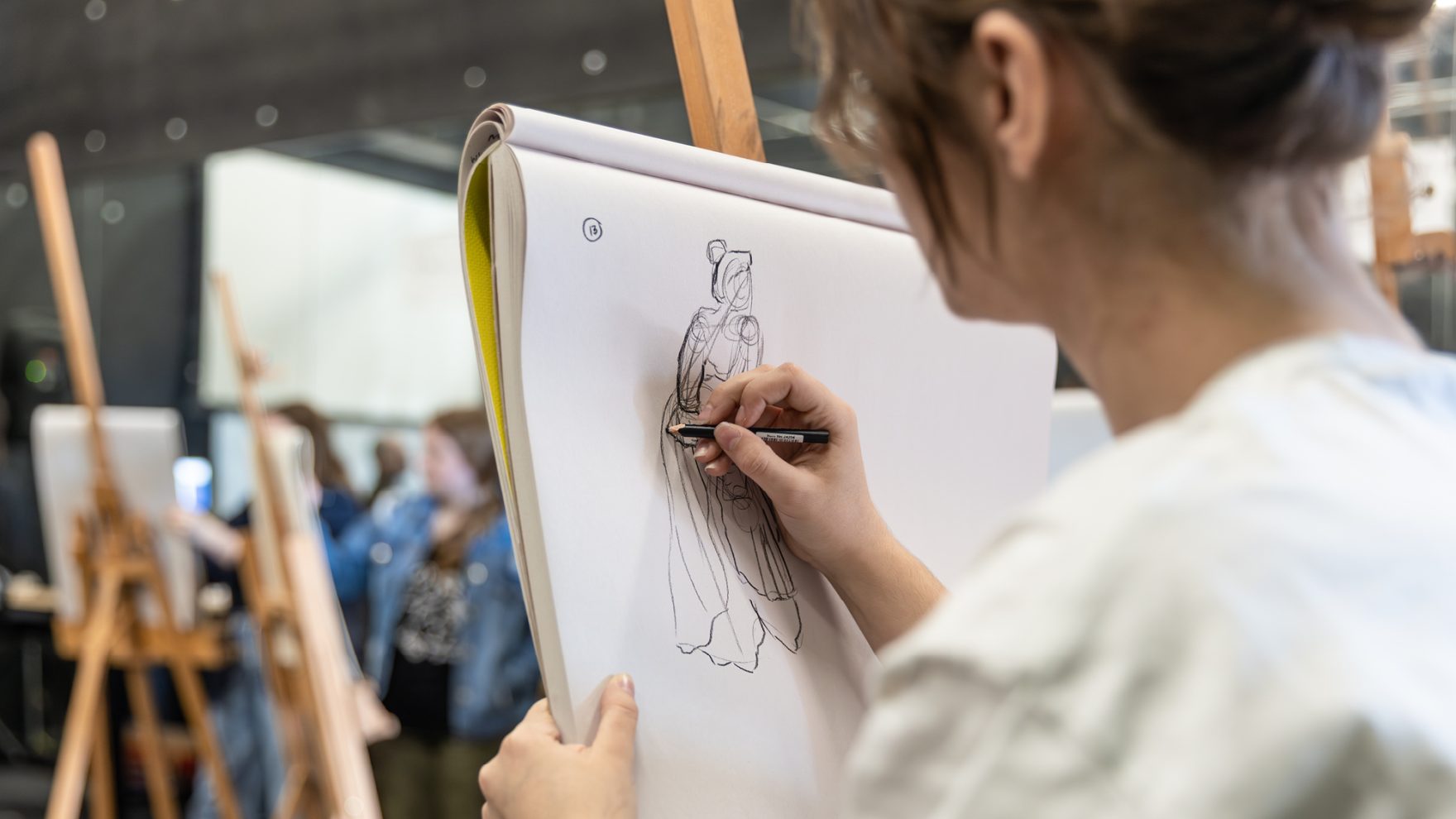
Most studio art classes take place in creative spaces where students sketch, paint, design, build, or edit projects during class time. Students receive feedback from professors and peers through critiques, which help them to grow and refine their work. This hands-on environment encourages experimentation, collaboration, and the freedom to try new artistic approaches.
Career Opportunities
An arts degree opens doors to a wide variety of creative careers. Graduates can become illustrators, graphic designers, animators, art teachers, photographers, gallery curators, or creative directors — just to name a few. Many studio art students also pursue freelance work or start their own creative businesses, using their portfolio to connect with clients and build a professional brand.
Preparing for the Future
Studio art courses don’t just develop artistic talent — they build practical skills that employers look for. Students learn time management, creative problem-solving, innovation, communication, and the ability to take a project from concept to final presentation. Whether you choose a career in the arts or use these skills in another field, studio art prepares you to think creatively and stand out in a competitive job market.
Experience Studio Art at Regent University
Regent University offers degree programs that encourage students to explore their creativity while developing industry-ready skills. Options such as the B.A. in Animation, BFA in Graphic Design, and BFA in Film & Television provide a chance to learn from experienced faculty, work with professional tools, and build strong creative portfolios. These programs help students turn their creativity into a calling — preparing them for careers in digital media, design, film, gaming, and more.